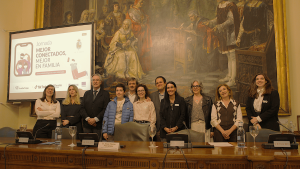
On March 16, Bilbao became the focal point of the debate on the future of learning with the presentation of the Adimen Digitala Plan 2025–2029. It was an intense day at the BEC, where the Basque Government, led by Minister Begoña Pedrosa, laid out the roadmap for the digital transformation of our education system.
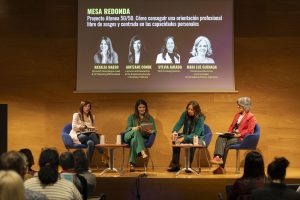
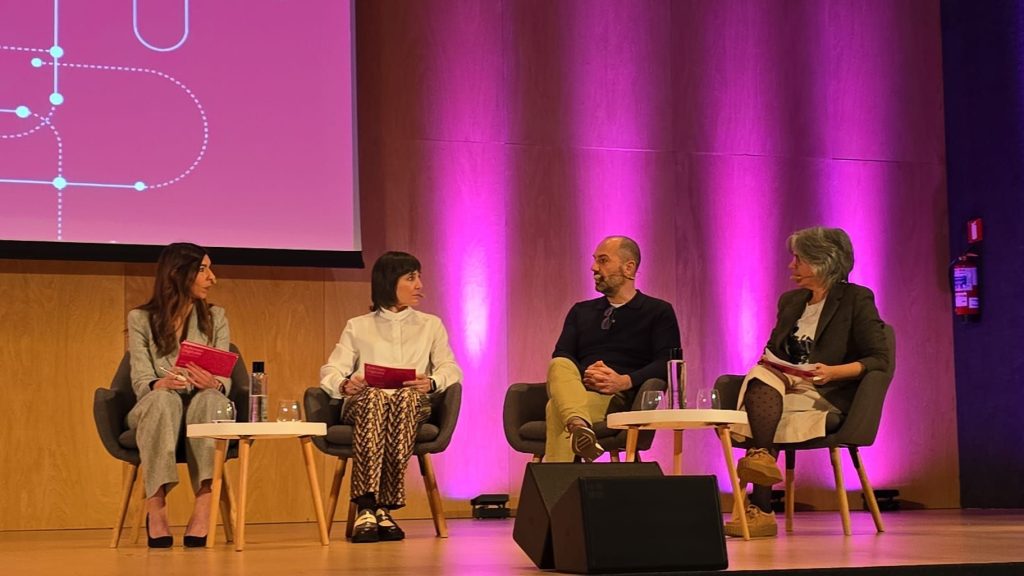
Tuve el placer de participar en la mesa redonda “Eraldaketa Digitala: Kokapena eta Erronkak” (Transformación Digital: Situación y Retos), compartiendo reflexiones con Cristina Etxeandia (Departamento de Educación) y Aitor Orbegozo (Tknika).
We often make the mistake of reducing digitalization to the presence of devices in the classroom. However, as was clearly emphasized at the meeting, the challenge runs much deeper: it is not a question of “screens, yes or no,” but rather “why and how.”
From my position at the School of Engineering at the University of Deusto, I argued that true transformation requires:
- Media literacy and critical thinking: In a world of misinformation and generative AI, teaching students to filter and question information is more important than teaching them how to use a tool.
- Emotional well-being: Technology should be a bridge, not a wall. We must incorporate emotional well-being into our use of social media from the earliest stages.
- Digital sovereignty and security: The plan focuses on proprietary platforms (such as IRADI) and open-source software, ensuring that the education system retains control over its data and processes.
One of the most inspiring moments was the speech by Mar Camacho, who pointed out that artificial intelligence is reshaping the future. At our roundtable discussion, we all agreed: AI should be an ethical ally that helps personalize learning and bridge the digital divide, not widen it.
To this end, it is essential to strengthen teachers’ pedagogical training. We cannot ask teachers to lead this revolution unless we equip them with the necessary skills and confidence.
The Adimen Digitala Plan is not just a financial investment (271.6 million euros); it is a statement of intent. We want an education system that is hybrid, flexible, inclusive, and, above all, humane.